
Let’s face it: wrapping your head around EV charging infrastructure can be confusing. And actually waiting while your car gets filled with juice? No thanks.
But what if you didn’t have to charge your vehicle at all? What if there was another way? And what if that way was battery swap stations?
Way back in 2013, Tesla proposed the idea of a 90-second battery swap shop. Two years later, Tesla quit the effort. It switched its strategy, focused on the Supercharger network, and declared that battery swapping was a dead-end.
But is it really? Let’s dig in.
How do battery swap stations work?
The idea is simple. You drive up to a car wash-sized station and you hand your vehicle over to the valet — or even stay inside. The workers and/or the machines do the rest: bolts are unscrewed, the battery is removed, a new one is replaced, and everything is reassembled.
That sounds like it should take forever, right? But based on the swap stations we have so far, the whole process only takes one to three minutes (more on that later). That’s a full ‘charge’ in less time than it takes to drink an espresso.
What are the pros?
Besides saving time, you’d also save money. The cost of the car can be separated from the cost of the battery pack, making EVs more affordable for some drivers.
Plus, you wouldn’t have to worry about battery degradation or warranties. And your vehicle could have a longer life if it’s not attached to its battery. Remember, it’s the batteries that have an expiration date, not the car itself.
Similarly, swapping makes it possible to always have the latest battery tech installed in your vehicle.
And the cons?
For starters, manufacturers would need to produce compatible batteries for all brands. This means that the battery pack would need a very specific universal design.
What’s more, we’d need a greater number of batteries to power the same number of EVs. Not to mention the changes required for an entirely new infrastructure.
China in the lead
Battery swap stations seem to be picking up pace in China, at least.
In December, NIO reached 700 stations across the country, having provided 5.3 million swaps to NIO car owners. Its swap stations are fully automated and can do the job in three minutes.
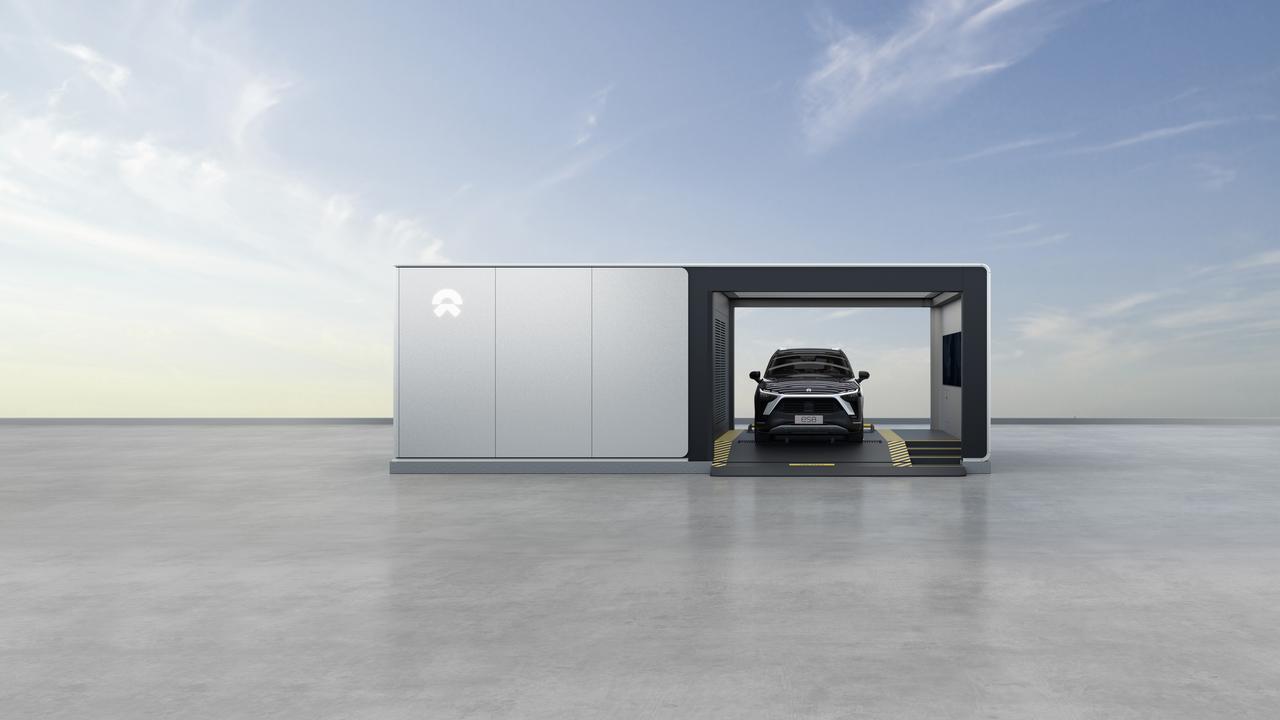
Last week, CATL — you know, China’s biggest battery manufacturer — announced the installation of its EVOGO swaps stations across 10 Chinese cities.
The company says its new modular battery blocks are compatible with 80% of the global platform-based EV models, but for now the first car to make use of the EVOGO service will be the Bestune Nat MPV built by FAW Group — one of CATL’s partners.
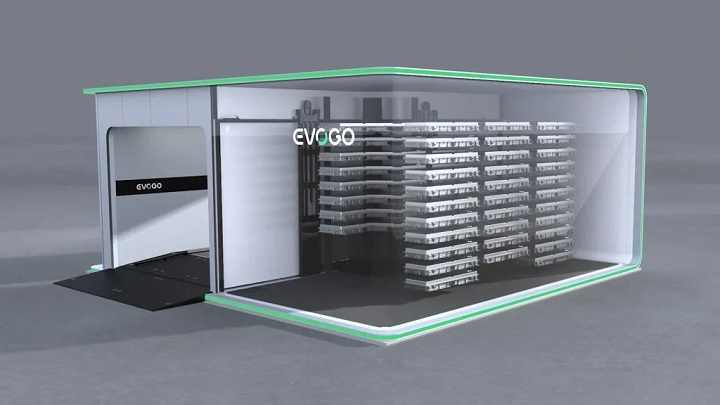
Notably, the EVOGO stations can swap the batteries in only one minute.
The same swapping time is also promised by Geely, which is planning to set up 5,000 stations across China by 2025.
Things aren’t so optimistic in the West
In January, NIO launched in Norway Europe’s first battery swap station, intending to expand in Germany as well.
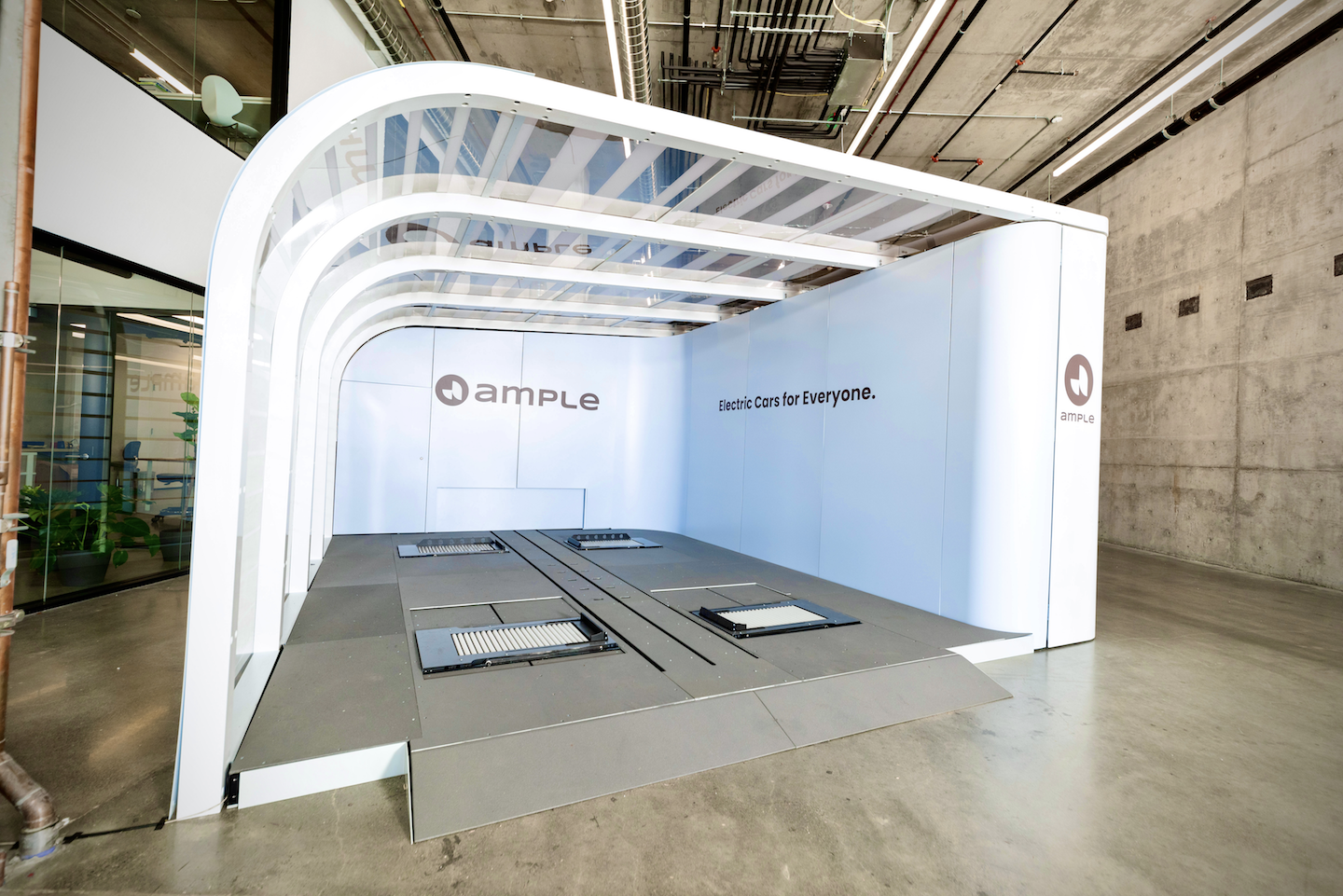
In the US, Ample has launched five initial stations in San Francisco, and has partnered up with Uber and Sally for its swapping services.
It plans to expand to other US cities, Europe, and Japan.
So can battery swap stations really take off?
Maybe in some parts of the world, or well, China.
Apart from an increasing number of companies that are betting on the tech, the Chinese government is also backing battery swapping.
It’s introduced its own battery swapping program, it has approved national EV battery swap standards, and the State Grid (the state-owned electric utility corporation) has struck partnerships with multiple major players for the development of battery swap stations.
That’s not really surprising: China is the word’s biggest EV market, its technological pace is faster, and its car industry might be able to make progress where others have failed.
But that’s not the case for western countries.
The EV market is only now starting to catch up — and, along with it, conventional charging infrastructure.
It’d be a huge ask for governments to back another charging alternative, and it’d be an even bigger ask for automakers to start using a universal, standardized battery pack.
I seriously doubt that car companies would ever be convinced to tear up existing and future product plans, and start from scratch.
Then again, charging station infrastructure was addressed with skepticism in its beginning as well, so perhaps we need more time to really assess how battery swap stations will be received.
But even if they take off, my guess is that they won’t replace good ol’ chargers. At best, they’ll coexist.