
The popularity of motorsports shows no sign of waning. With its reach amplified by the Netflix hit show Drive to Survive, Formula One in particular has gained an entirely new audience platform. What its electric car Formula E sister league may lack in characteristic sound profile (and on-screen drama), it makes up for in environmentally friendlier engineering.
With new battery technology, Formula E cars might soon beat those of F1 for speed. Furthermore, the experience gleaned from the tracks could also be applied to enhance commercial EV batterylife and performance.
Ultra-high performance platform on display in Bologna
This week, WAE (formerly known as Williams Advanced Engineering, a branch of Williams Grand Prix Engineering, the company behind the Williams F1 racing team), displayed its latest ultra-high performance electric vehicle platform EVR at the E-TECH Europe conference in Bologna.
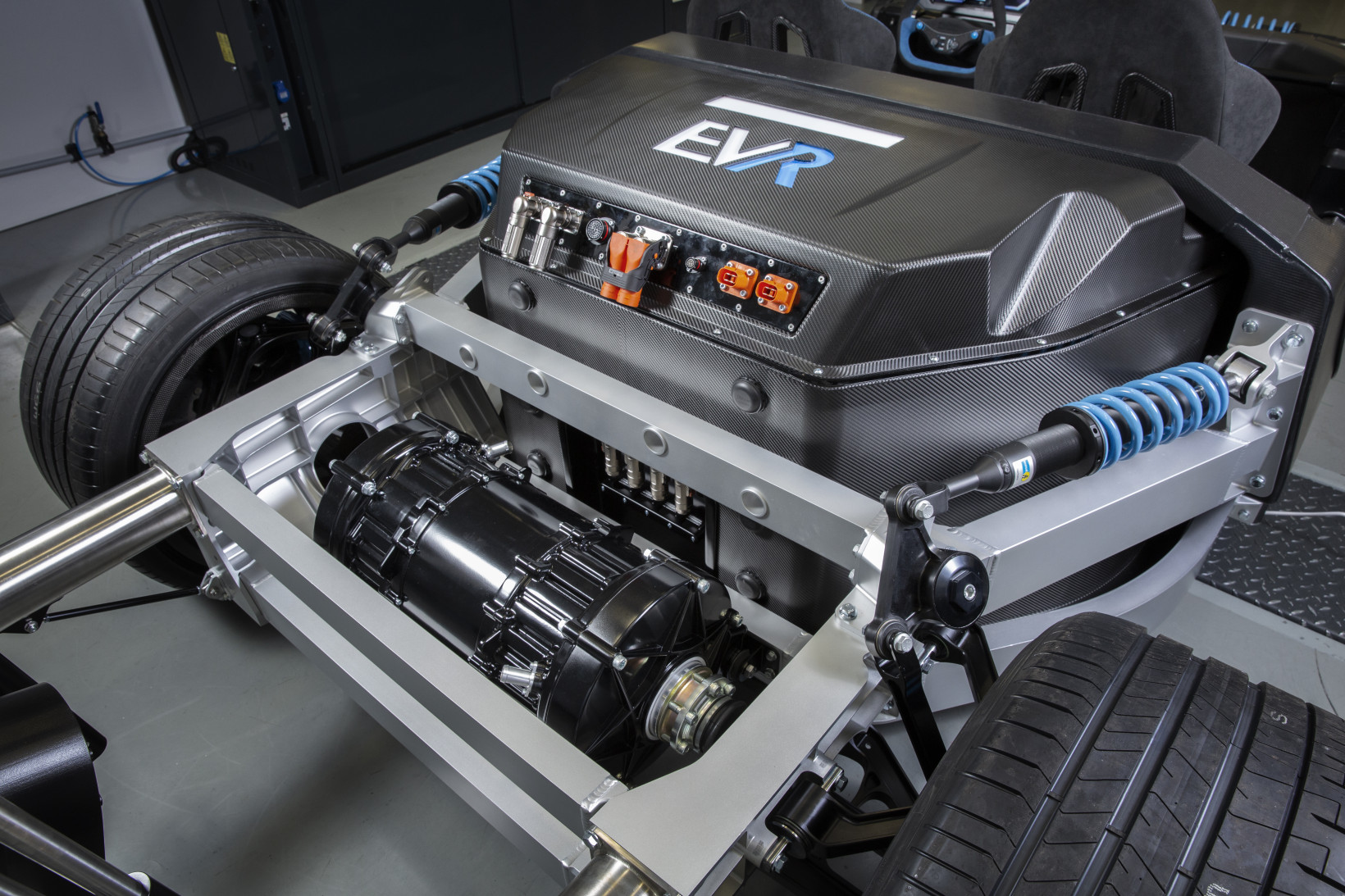
With its state-of-the-art 85kWh battery and peak power of 1650kW, EVR enables sub-2.0-sec 0–100km/h acceleration and a top speed of more than 400km/h. For reference, the top speed ever registered by an F1 car was just over 397km/h, when the Honda F1 team drove a modified version of their Formula One car across the Bonneville Salt Flats in Utah.
The third generation Formula E cars currently racing reach speeds of around 320 km/h. Meanwhile, Croatia’s Rimac Nivera set the top speed for an electric hypercar last year when it it hit 415 km/hat the Automotive Testing Papenburn track in Germany.
Offering EV developers a modular approach
The company says that EVR has an inherent flexibility and modularity which allows it to offer startups a complete turnkey solution with the entire vehicle, as well as exterior design support.
“We wanted to put something out there on our own platform because, whether it’s a new starter, a brand re-entrance, or even an established OEM looking for a halo car, it’s a step up on the development of vehicles that might take three to four years. We can give them something which is already 12 months into that process,” Chris McCaw, lead engineer at WAE, stated.
In addition to the EVR platform, WAE’s stand at E-TECH also featured its Scalable Battery Module (SBM) system and the prototype TE-1 e-motorbike, Triumph’s first zero-emission prototype demonstrator.
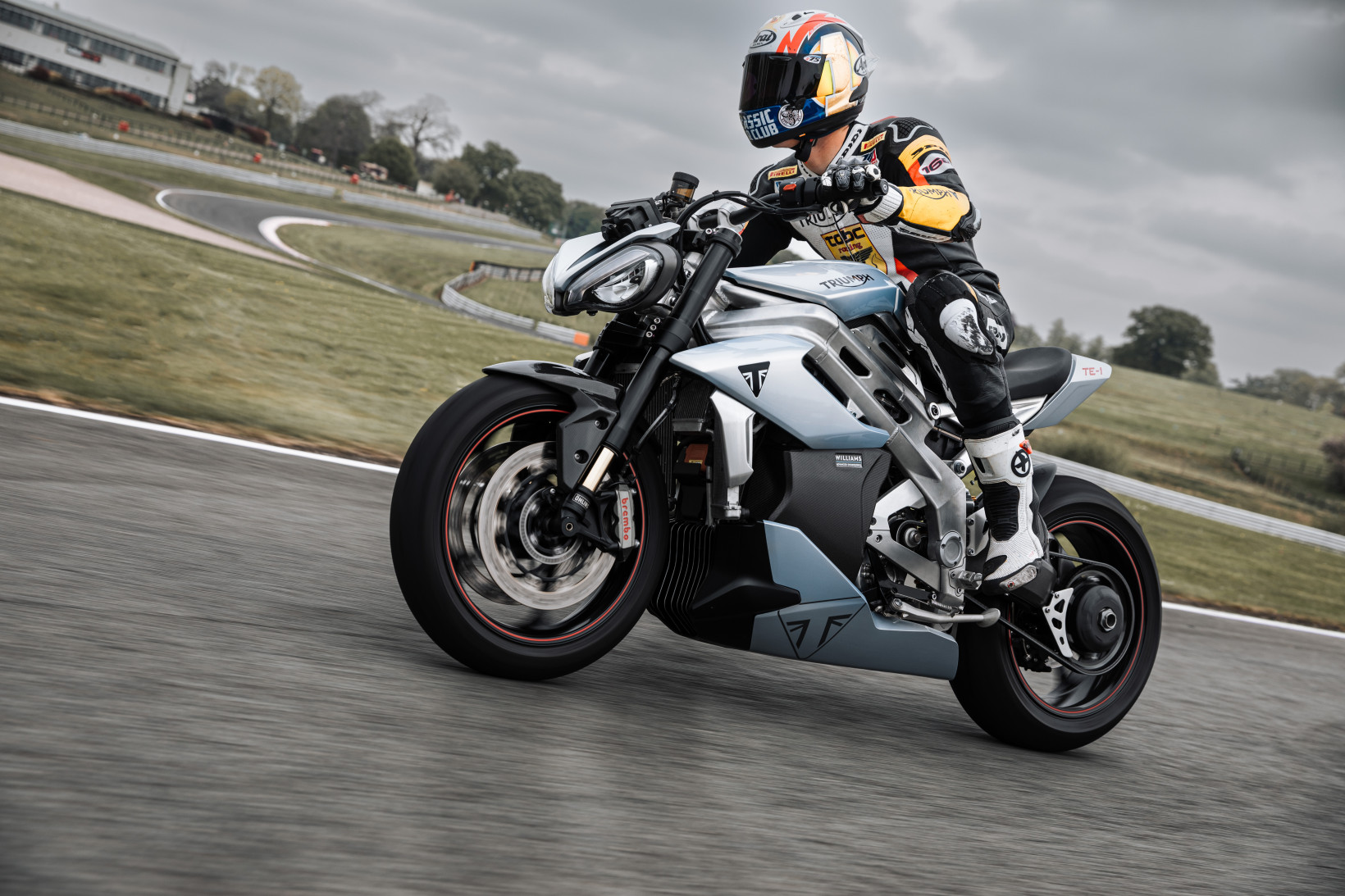
WAE provides the electrical systems for almost all the electric race series including Gen 3 Formula E, Extreme E, ETCR and electric Skootr racing. Since 2013, clients of the company’s products have won nine driver’s championships and eight constructor’s championships, putting it on a far better footing recently than its petrol-powered cousin.
Today, WAE also launched Elysia – its new battery intelligence branch sprung from over a decade of experience in the electric high-performance car business. The company says it brings together electrochemistry, modelling, AI and data science to increase the performance of any battery system.
Battery intelligence software to increase battery health and lifespan
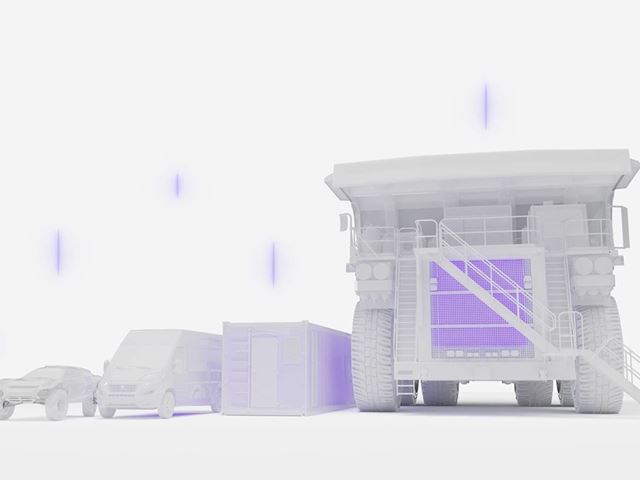
Elysia’s software package is divided into two branches. The first consists of embedded algorithms designed to run on standard automotive-grade hardware platforms. The second is a cloud platform that features prognostics designed to detect real-world failure mechanisms. According to the company, this will benefit everything from e-scooters to road cars and electrified mining trucks.
Tim Engström, technology lead at Elysia by WAE, says that the modern lithium-ion battery is currently going through a “second advent,” much due to the utilisation of data availability.
“The arrival of mainstream, low-cost telematics has afforded manufacturers and fleet owners the ability to understand more about their vehicles than ever before,” Engström states.
However, he believes that the transformative opportunities of this data has been, up until now, underutilised. Following a major push on connectivity, now the time has come to harness the battery data and “transform electric mobility on a larger scale.”
“Battery intelligence is a new discipline that connects battery data seamlessly with electrochemists, battery systems engineers, and data scientists with the sole goal of delivering actionable insights to enhance and protect value across the battery lifecycle,” Engström continued.
The presentation of EVR and the launch of Elysia took place during the second edition of the E-TECH Europe conference in Bologna. The city sits at the centre of Italy’s “motor valley,” which has given birth to iconic brands such as Ferrari, Lamborghini, Maserati, Ducati and Bugatti.
Hundreds of companies exhibited their products in areas such as EV technology, fuel cell solutions, polymers, satnavs, driver identification systems, autonomous driving and connectivity.