
SpaceX’s giant Starship rocket may have exploded during launch this week. However, that does not mean that Elon, or humanity for that matter, is not determined to enter a new era of space exploration.
To reach further out into the universe, we will need to not only figure out how to send people to Mars, but also how to upgrade our life-support systems and accommodations.
To that end, European aerospace manufacturer Airbus has dreamt up LOOP, a “multi-purpose orbital module” meant to replace the ageing International Space Station (ISS). According to Airbus, it has designed LOOP to “make long-term stays in space comfortable and enjoyable for its inhabitants.”
Sleek space accommodations
Compared to the iconic images of astronauts floating about in the tiny communal spaces on the ISS, the three-level deck of LOOP does indeed look a tad more agreeable. Looking at the images, it could almost be enough to make all your USS Enterprise fantasies come true. Although, as you would remain in orbit, you would not really get to “boldly go,” etc.
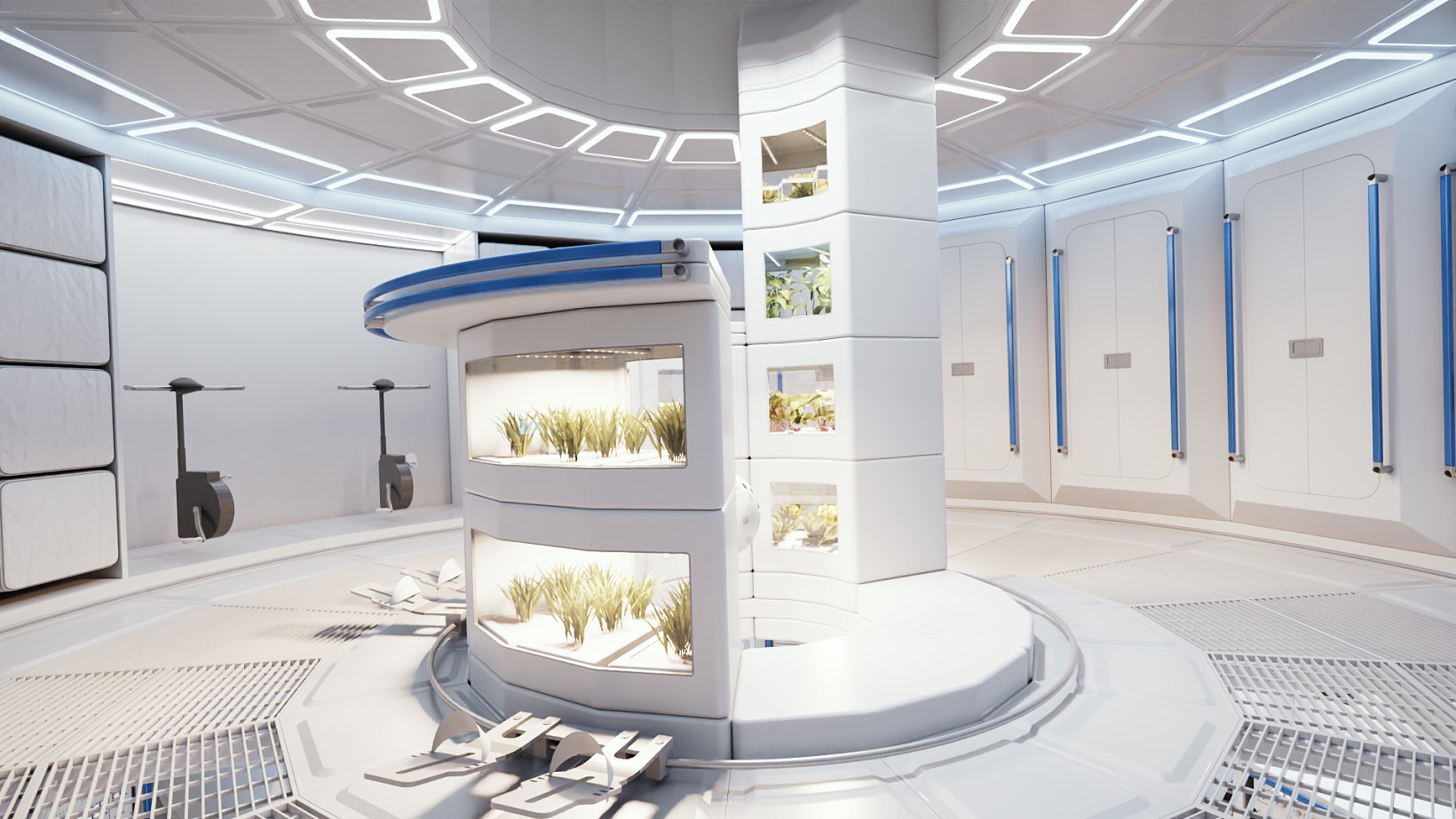
But don’t imagine swarms of futuristic uniformed space travellers beaming onto the platform. Airbus has designed the 8-metre diameter LOOP to comfortably house a four-person crew. Although, it could be adjusted to host eight astronauts at the same time.
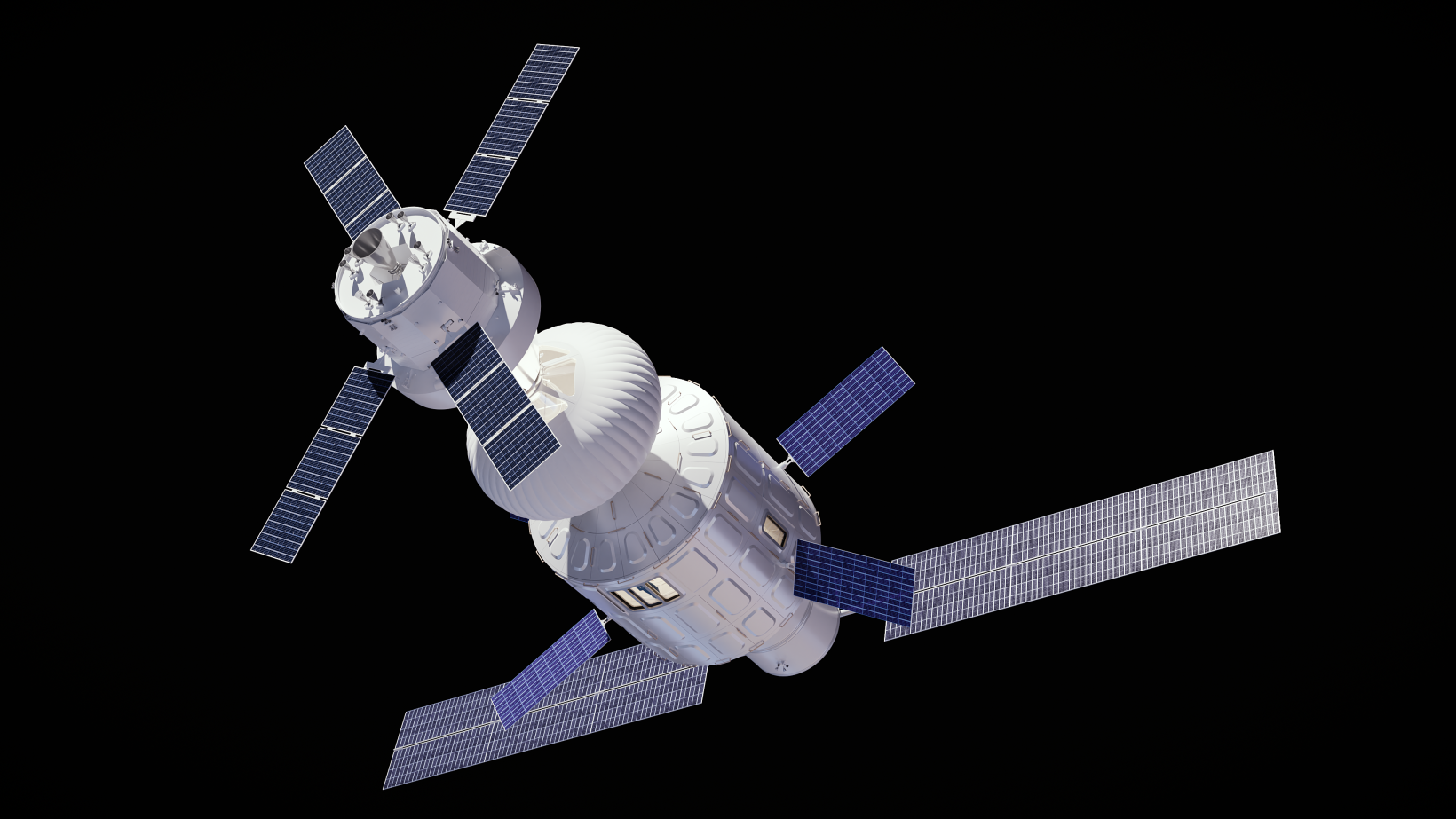
The LOOP consists of three decks: Habitation, the Science Deck, and a Centrifuge that can create gravity conditions for the station’s inhabitants. The three-level structure also allows for “safe harbour” separation if necessary. Joining the decks together is the so-called Tunnel at the centre, surrounded by a greenhouse structure.
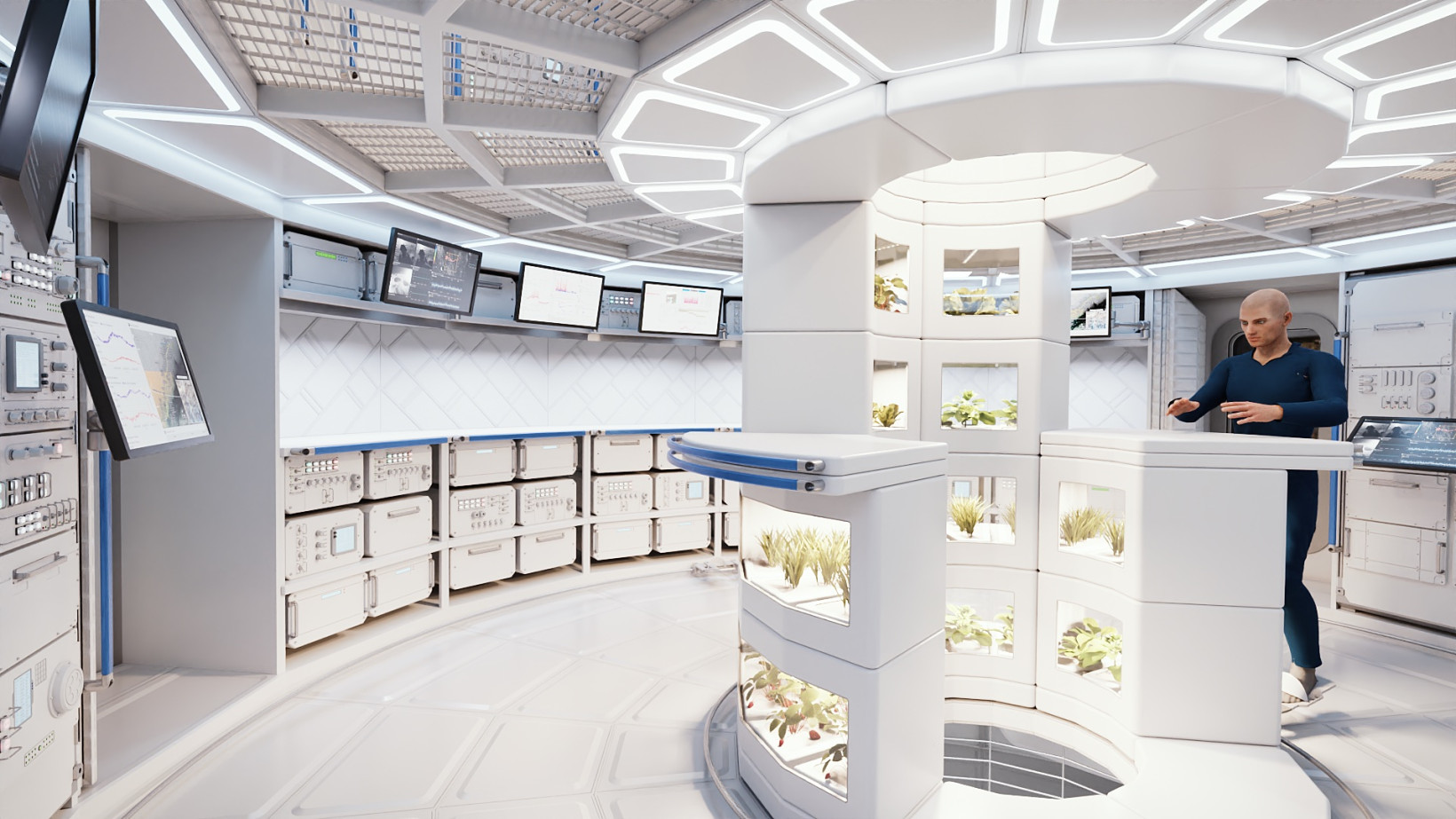
Meanwhile, the modular approach is intended to be precisely that – modular. This means that customers could choose to replace any of the decks to adapt the station to individual mission profiles and objectives. An option could also be, according to the developer, to connect several LOOP modules into a larger station. With all the space tourism hype, could we see a boutique space station hotel? Never say never.
No assembly required
LOOP is designed to fit with an upcoming generation of superheavy launchers, such as the aforementioned Starship, that will be able to launch the entire module in one piece (once their own launches are successful). This means that it will be fully operational almost immediately when reaching orbit.
Under the LOOP concept umbrella, Airbus is also offering a whole range of space exploration supporting technologies, such as thermal control solutions, power generation and management, environmental control and life support systems, etc.
While Airbus has presented several concepts over the years that haven’t gotten anywhere close to reality, the company does have a rich heritage when it comes to contributing to international space missions. Most recently, it became the first ever non-US company to build a mission-critical element for an American Human Spaceflight Mission.
The Kevlar-covered European Service Module and its 15,000 solar cells propels and manoeuvres NASA’s new Orion spacecraft. Furthermore, it supplies the crew with water and oxygen, as well as regulates thermal controls.
Will customers go for it?
As with many aerospace concepts, for LOOP to truly make it from the design stage and into development, Airbus will need signals from customers who are willing to purchase the product. In this case, there needs to be someone willing to part with sums of near-astronomical (pun intended) proportions. Especially considering that the cost of the International Space Station, including development, assembly and running costs over a decade, lands at around €100 billion.