
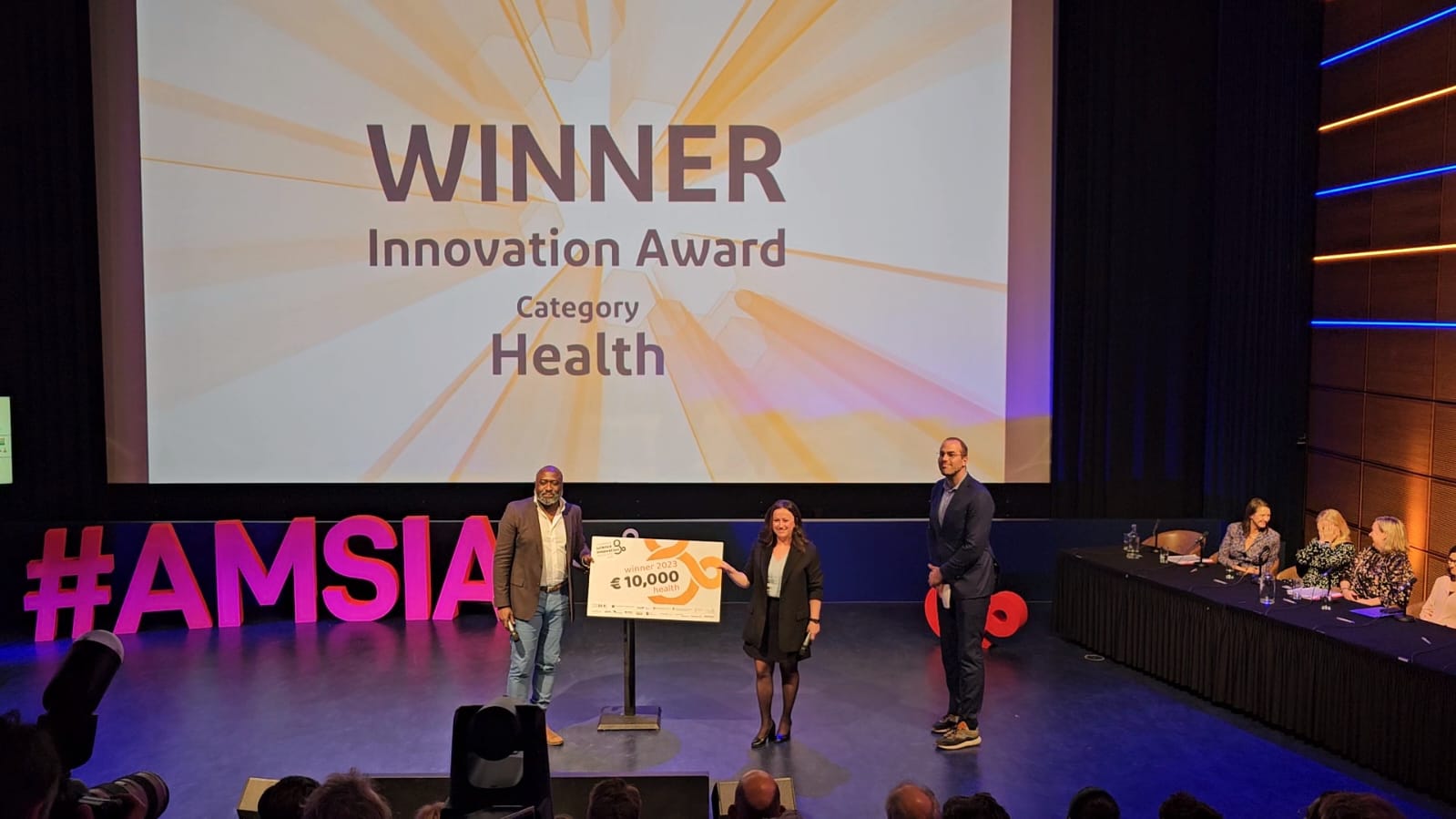
Towards the end of last year, the winners of the 16th edition of the Amsterdam Science & Innovation Awards (AmSIA) were announced at the NEMO Science Museum.
This competition — hosted by the Innovation Exchange Amsterdam (IXA) — highlights three innovative ideas from the Netherlands each year. These are split into three categories: health, society, and environment & climate.
Beyond simply spotlighting the fascinating minds behind these inventions, the event also helps make them a reality. For winners, this not only means a €10,000 cash prize for funding, but also access to a community of experts who can help their growth.
Here at TNW, we’re always excited about what’s at the forefront of European technology, so we spoke to each of the three winners to find out more about their work.
Health category winner: Dr. Zeliha Guler and the wound-healing implant
Dr. Zeliha Guler, PhD, is a senior researcher and Principal Investigator in the department of Obstetrics and Gynaecology at Amsterdam UMC.
She won the health category at AmSIA for her work on a dissolvable implant for the treatment of Pelvic Organ Prolapse (POP).
“POP is a multifactorial disease characterised by the descent of the pelvic floor due to loss of tissue strength, and compromised quality of the extracellular matrix,” Guler tells me.
The leading cause of pelvic floor disorders is childbirth, and “the risk for POP may increase by up to 60% for women who have given birth and those over 50.”

Normally, POP is treated using the patient’s own tissue matter. Unfortunately, 25% of women need another operation because the wounds don’t heal correctly, as that tissue quality is compromised. In case of recurrence, permanent implants are used to treat POP, but they can cause clinical complications.
Guler’s team believed this could be solved with dissolvable implants — but that wasn’t enough in itself.
She tells me her and the team have been “working with degradable knitted implants to eliminate or minimise clinical complication” for some time.
While they found these offered great mechanical support, they differed too much from natural tissues. This is when she thought of using electrospun scaffolds, as she “became aware of its ability to mimic the natural cellular environment, fostering improved compatibility with cells.”
In addition, they added oestrogen in the scaffold to improve tissue healing after the surgery.
This approach was successful enough for her to win the health category award.
But the next step for Guler? That’s growth.
She tells me she’s “seeking the attention and collaboration of medical device companies to support a comprehensive, long-term follow-up study for [their] electrospun (ES) scaffold.”
Beyond this, Guler wants to explore the commercialisation and widespread distribution of the technology. This would include situations not just for POP, but also something that can be used to heal all sorts of wounds.
It goes without saying just how impactful that could be.
Society category winner: Pepijn van Rutten and the laughing gas breathalyser
Pepijn van Rutten — who won the society category in the Amsterdam Science & Innovation Awards — is part of the team behind Respira, a laughing gas breathalyser.
When I spoke with him, van Rutten explained the issues the Netherlands has with laughing gas.
“Incidents have increased more than tenfold,” he tells me, “this sadly leads to more than 120 severe injuries and 20 deaths every year in [the country] alone.”
He continues, saying that while there are reliable ways to test people for alcohol and most other drugs, this isn’t the case for laughing gas.
“That’s why we are developing a breathalyser,” van Rutten says.
Him and the team are hoping that — just like in the past with alcohol testing — there will be a strong preventive effect when drivers know they can get caught for using the drug.
“This way, our sensor can reduce the number of accidents, create safer roads, and save lives.”
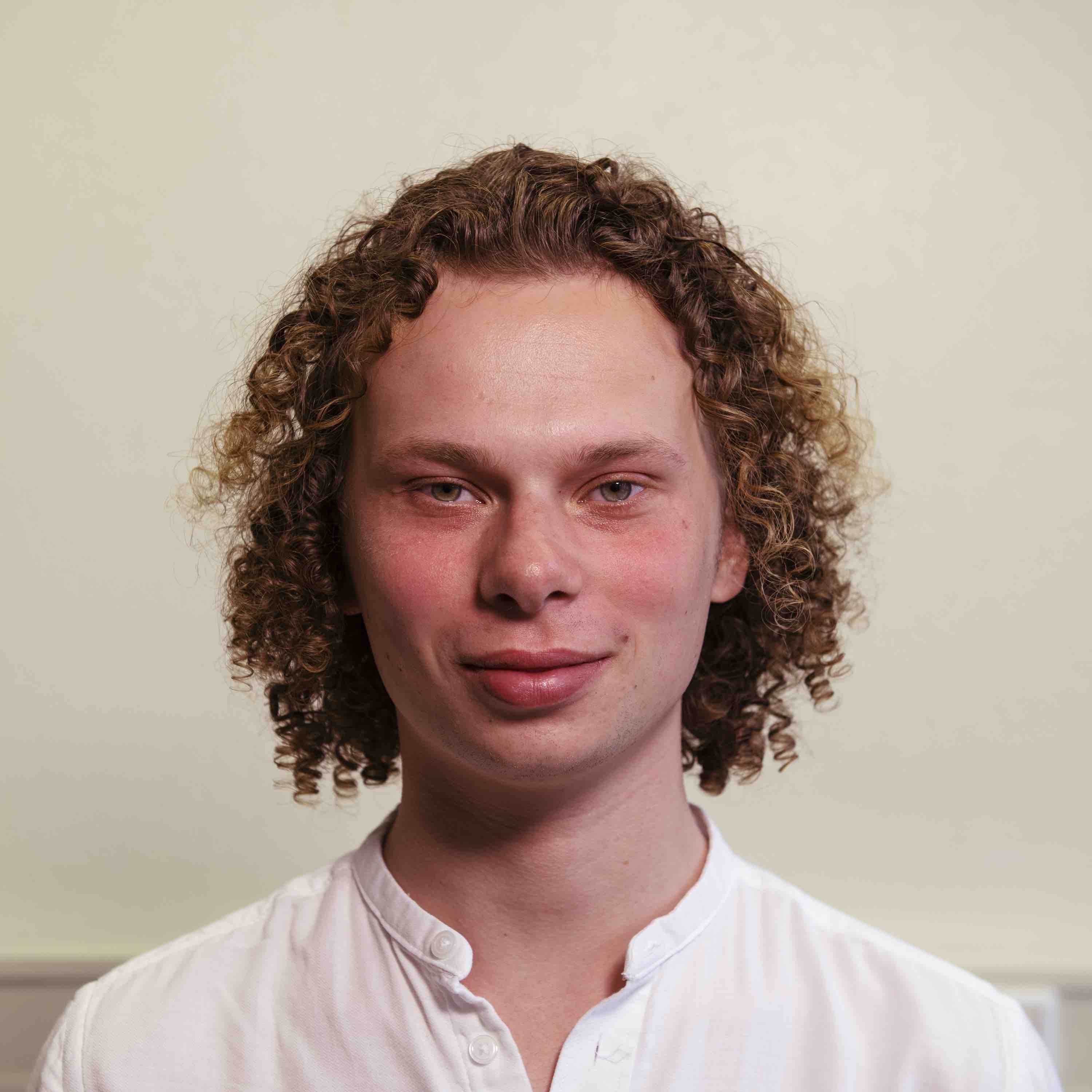
Van Rutten tells me he and the team were inspired after watching a report on the Dutch news about the increasing frequency of people driving under the influence of laughing gas. This was a huge motivating factor.
They wanted to “have a positive impact on society by making our roads safe” — and hoped they could create a technology to reverse the trend.
These are the roots of Respira.
Working in a team of three at the Demonstrator Lab at the Vrije Universiteit Amsterdam, van Rutten and his colleagues focused on making Respira “as easy to use, reliable, and accurate as possible while remaining affordable.”
Something they have, to a certain extent, achieved.
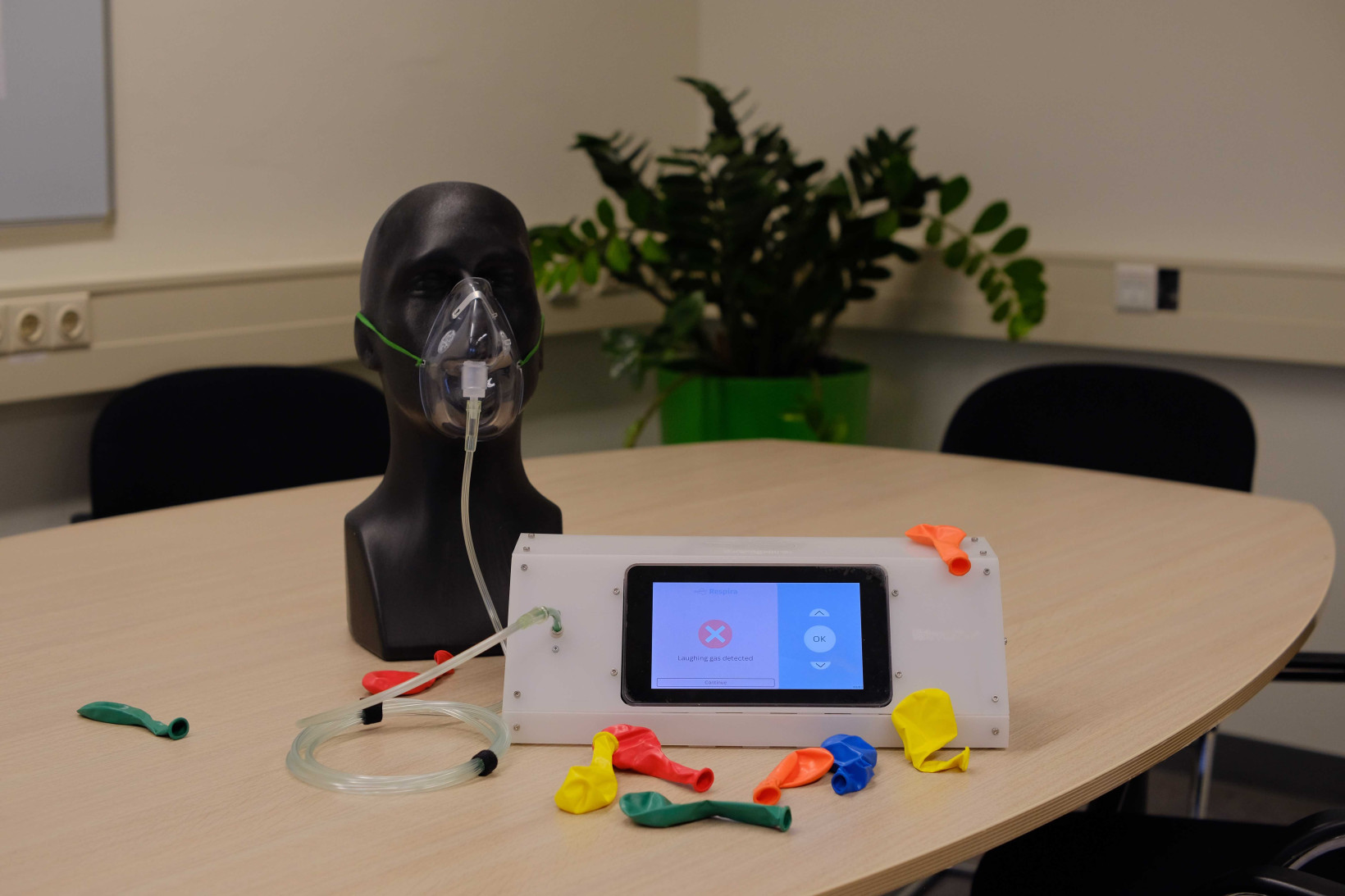
Following the win and €10,000 in funding, the team plans to make the prototype that’s even smaller and more robust, but they’re even more excited about what’s coming next.
“We have big plans for the future,” van Rutten says, “our technology can be easily applied to the detection of other chemicals in breath, for example biomarkers that are related to certain diseases.”
This means the team could technically create a cheap and easy way to breathalyse humans and animals for disease — all before the first symptoms show.
“We see the development of our laughing gas sensor as a first step in creating a breath analysis platform that is aimed at creating a safer and healthier society,” van Rutten tells me.
And who could argue with that?
Environment & Climate category winner: Olivier Lugier and sustainable nanoparticle production
Nanoparticles could be a lifeline to a huge number of sectors, including everything from biomedicine to sustainable energy production, but there’s a problem: they’re unbelievably complex.
This is the issue that Olivier Lugier, a postdoctoral researcher at the University of Amsterdam, set out to tackle with his team.

The intricate nature of nanoparticles is a blessing and a curse.
Yes, it provides them with the sort of properties that can fix problems, but “that complexity also makes them hard to produce without relying on polluting solvent and tedious production methods that often lead to unreliable products,” Olivier Lugier tells me.
Lugier and his team came up with equipment and a procedure that allows the easy production of a wide number of nanoparticles. This can be achieved in a single step and without using solvents — which is a huge step forward from our current situation.
The goal, Lugier tells me, is to turn nanoparticles from expensive laboratory materials into elements that can actually be used in day-to-day devices.
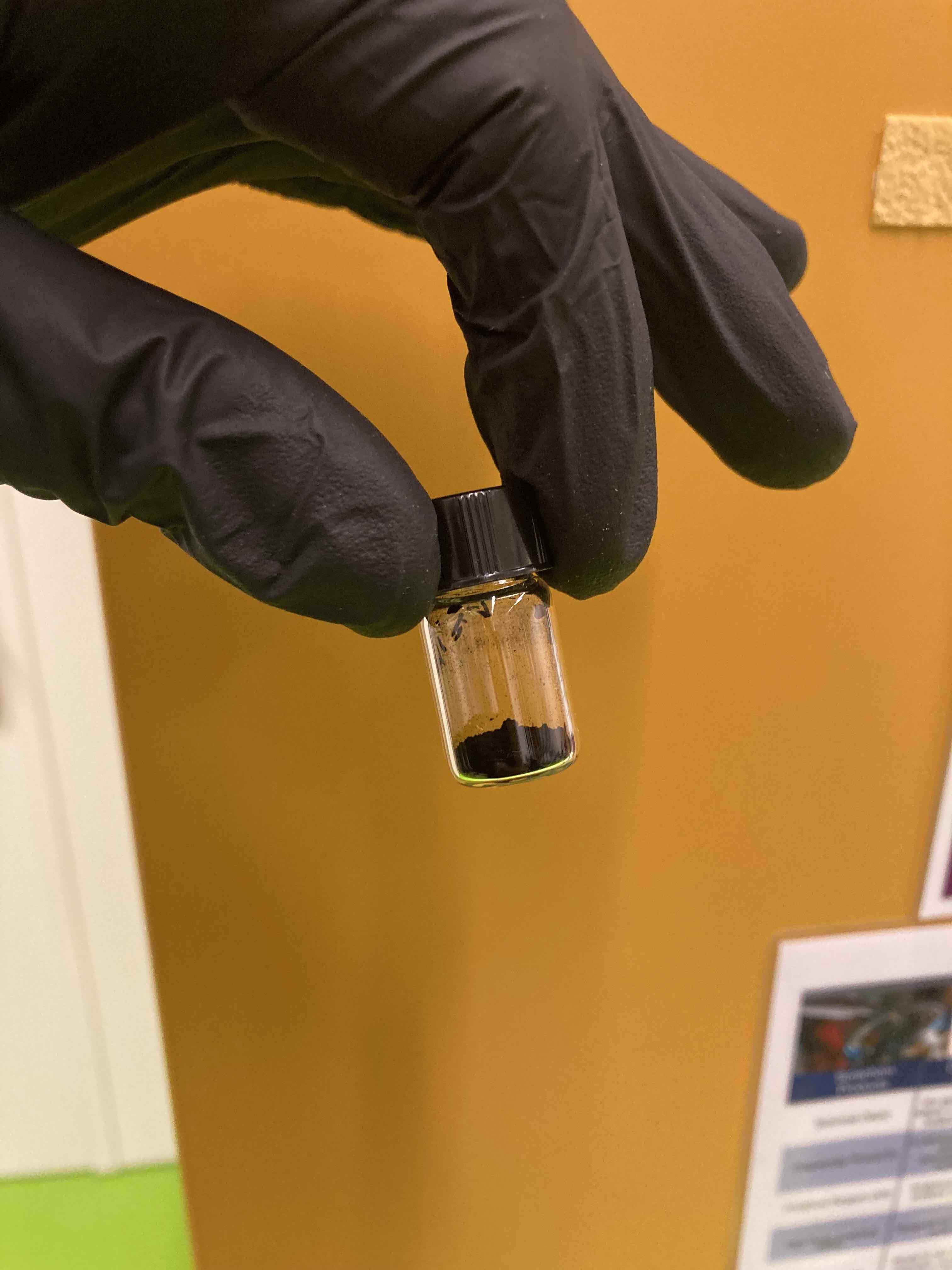
Inspiration for this project came from Dr. Stefania Grecea, the group leader of Functional Materials.
“She thought to combine multiple physico-chemical processes into one to synthesise functional materials,” Lugier says. “When we realised that it could also produce advanced core-shell nanoparticles in a single step without solvent, we saw its potential and decided to continue developing the method and prototype equipment.”
Winning the award can have a huge impact for Lugier and his colleagues. Their next steps involve improving the technology and doing all they can to optimise the process.
Alongside this, they’re launching a startup called Nano Hybrids, which is in the process of incorporation, to assist the commercialisation of nanoparticles.
Once this is achieved, the group hopes that nanoparticle technology is no longer stuck in labs, but instead can be used to improve the entirety of society.
Final thoughts
It can be easy to feel gloomy and down about the state of the world, where big companies seem to be burning the planet in search of profit — and that’s why it’s so invigorating to read about schemes like the Amsterdam Science & Innovation Award.
Here, we can get a glimpse into the world of scientists and researchers that are doing everything they can to alter the world.
They’re making the technologies today that will be defining the tech world of tomorrow — and that’s a beautiful thing.