The link between COVID-19, smell, and taste disturbance became apparent in March 2020 as the pandemic swept around the globe. To date, nearly 100 million people have been infected with the coronavirus. Around 60% will have experienced smell and taste disturbance – with 10% having persistent symptoms. This means that about 6 million people – and rising – have this symptom. So what can be done about it?
Smell loss has traditionally received little attention in the field of medicine and so there has been a lack of clinical trials for treatments. A project is underway to address this matter, but it will be a while before the first research findings are published.
However, an international group of experts, including myself, recently reviewed the existing evidence and discussed our recommendations for treating smell disturbances caused by viruses, such as SARS-CoV-2. We applied our collective experience of treating patients with these conditions and recently published a consensus statement for treating post-infectious olfactory dysfunction.
We agreed that the best treatment is smell training and that vitamin A drops may also be a treatment option to consider. We also felt that steroids probably do not have a role in treatment but may help to exclude other problems, such as rhinitis, that are blocking the nose.
Although other possibilities have been explored in previous studies, the scientific gold standard – a randomized controlled trial – has yet to be applied to many of these options, thus limiting the strength of our recommendation.
[Read: ]
What is smell training?
Smell training is a therapy that has been used by experts in smell disorders (olfactologists) for some time. It has the benefit of having no harmful effects on those who use it. It is also something that doesn’t need a prescription, is cheap , and can easily be done at home.
Several studies performed over the last decade suggest that repeated short-term exposure to smells may help people who have lost their sense of smell. In particular, those who have lost their sense of smell as the result of viruses, such as the common cold, appear to benefit. But we still don’t know if this works for COVID-19 smell loss specifically, although there is no reason to suspect the benefits will be any different.
The traditional format for smell training has been to use the four smells of clove, rose, lemon, and eucalyptus. However, there are different items from the home that provide a range of smells – so people can select smells that they know they found to be pleasant or have a connection with.
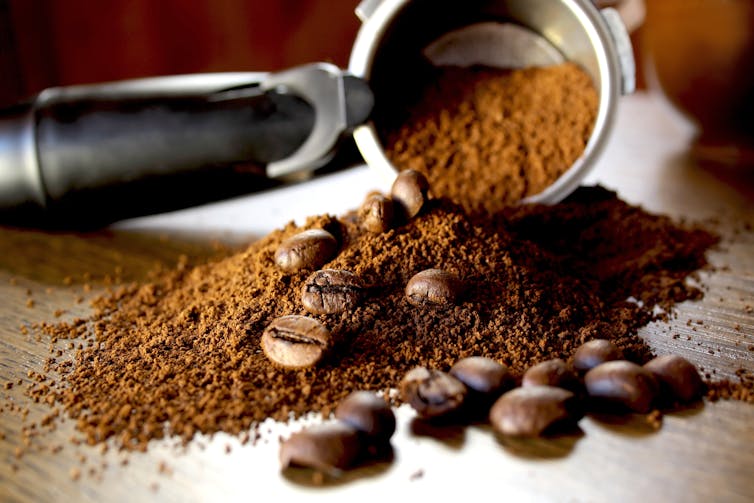
Lemon and orange rind, nutmeg, clove, mint, eucalyptus, ground coffee, coconut, and vanilla are all common items that can be used. A good guide to the technique can be found on the charity website Fifth Sense.
Smell training stimulates the turnover of the specialized nerve cells, helping to restore smell function. Some research shows that changes in the brain smell areas may happen too.
More recent studies have suggested that the four smells used for training should be changed every 12 weeks. The results of this new approach show that greater recovery of smell function can be achieved. Further research also shows that the longer the training continues, in terms of the number of weeks, the better. So keep going as it’s not an instant result.
Ultimately, anyone experiencing prolonged symptoms may need to seek further medical advice from their doctor or seek a referral to a specialist clinic, especially if they are experiencing disabling smell distortions, known as parosmia. Nonetheless, smell training is an easy and simple starting point to recovery.
This article by Carl Philpott, Professor of Rhinology and Olfactology, University of East Anglia is republished from The Conversation under a Creative Commons license. Read the original article.