
The strategy and wargaming genres contain some of the best reviewed and most beloved games of all time, but many of the most revered of these titles are fiendishly difficult to get into.
If you’ve been putting off trying new games such as Crusader Kings III and Panzer Corps 2 because of their sheer scope or you’ve tried to get into older games such as Europa Universalis and Distant Worlds but the learning curve was too steep, this guide’s for you.
When we say “hardcore” strategy and wargaming titles we don’t mean to only include games that pass the Gary Grigsby litmus test for complexity. We’re also talking about the gateway games that’ll take you from being too intimidated to try Sid Meier’s Alpha Centauri to practically begging your friends and family to jump into a multiplayer game of Hearts of Iron IV with you.
It’s all about attitude
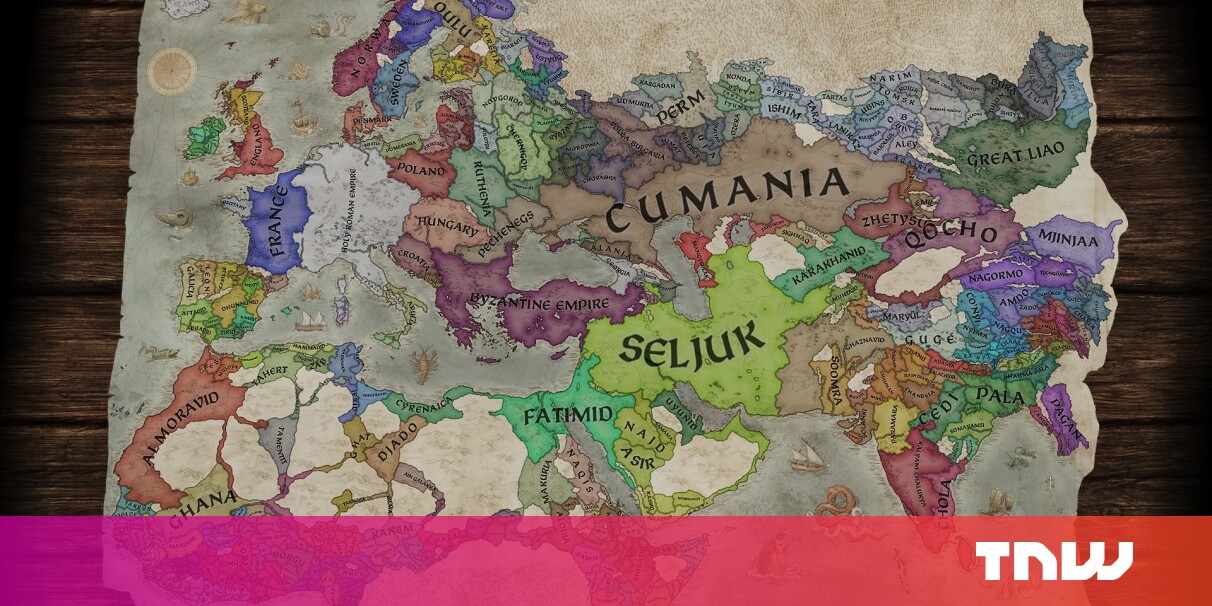
Let’s use Crusader Kings III, a newly released Paradox Interactive title, as an example. On the other side of this dynasty simulator’s learning curve you’ll find a game that lets you do almost anything you want. The sheer amount of power you can exhibit over the thousands of non-player characters in CKIII is incredible – especially when you consider that you only actually control one character at a time.
Up front, however, it was my experience that it actually feels like there’s nothing to do in CKIII until you figure out what’s going on. This applies to a lot of complex strategy and war titles, at least for me.
In CKIII this boils down to slowly learning about feudal politics and medieval tax economy. To the untrained observer, a person playing CKIII looks like they’re playing a game of Photoshop. Oh looky there, they clicked on a picture and then right clicked on a drop down menu and made a selection. Now they’ve waited a few minutes for the decision to render. And… oh wow. A small portion of the map has changed color.
That might not seem very exciting, but the seasoned CKIII veteran is probably experiencing a story full of betrayal, cannibalism, incest, murder, and romance. And, unlike roleplaying games, this isn’t all in the strategy gamer’s head. It’s actually in the game, you just have to let it happen.
The moment you realize that CKIII is a soap opera about creating the most interesting character-driven historical period piece possible, and not a game of basic conquest like chess, that’s when you’re actually playing the game. I stopped caring about flags and coloring the map the moment I shifted my perspective and realized CKIII is all about relationships. Who gives a crap if I lose every battle, my territory dwindles to nothing, and I’m murdered by my closest confidants? As long as I’ve got a living heir my dynasty’s story will be told.
On the flipside, if I play Europa Universalis 4, a game that looks and plays very similar to CKIII, the death of my country’s ruler is a minor inconvenience at worst, barely worth noticing at best. I care about the flag in EU4, not the King/Queen who’s temporarily ruling behind it.
Once you adjust your level of focus to the proper, most understandable point of view, the fun can start. But if you’re always treating it like a game of chess, you’ll often miss out on some of the best experiences to be had in the genre.
Keep it simple, pick a system
Most strategy and war games are complex because, unlike games that require quick fingers, they require a slower kind of deep focus. These games have hundreds or thousands of systems happening at once and the point is usually to find the best balance between them while advancing your own goals.
In complex strategy games the sheer number of systems (economy, trust, ballistics, supply, units, etc.) can be overwhelming even to the most experienced hardcore gamers. The smartest way forward is just to worry about one or two things and be willing to fail because of a lack of attention to other things.
If you’re trying to get into Stellaris, for example, but it feels like there’s too much going on at once and you get overwhelmed, just remember that you don’t have to “win” to have fun. Pick a race, start a game, and focus in on just your science ships and the event popups that show up in the middle of your screen. Ignore everything else until you’re ready. You might crash and burn or get totally wiped out by another species, but that just means you can start over with a little more knowledge.
Time-management games require time investment
Most of the games you might find yourself daunted by are actually easier than you think. Complex real-time strategy games such as Total War and StarCraft, or even Europa Universalis and Hearts of Iron, are much easier to learn once you get into the habit of pausing the game while you take in new information and develop your strategies. Your job isn’t (usually) to keep up with the game, but to make your decisions and then unpause or wait long enough to see them executed. The meat of these games usually occurs when the action is stopped.
And turn-based games such as Endless Space 2 or Civilization VI are even easier to deal with. Click on literally everything on your entire screen and spend as much time as you need to following rabbit holes and figuring out how to best use the in-game help, encyclopedia, or glossary system. Treat every confusing playthrough or game start as an opportunity to figure out one or two aspects of the game and either restart or learn from a bad ending as much as you need to. The key to learning any strategy game is failing until you succeed.
These games also tend to require more than just an in-game tutorial to figure out and appreciate. Just like I’d suggest you watch a professional gaming group play Dungeons and Dragons on YouTube before you run off and invest a bunch of money into your first table-top RPG, I recommend you check out a “let’s play” video for whatever strategy game you’re considering getting into before you spend your money.
The reality of playing a game like Combat Mission, for example, is entirely different than the impression a non-wargamer might get from a trailer, marketing blurb, or a glance at the graphics.
My typical set up for playing a grand strategy or war game for the first time involves my big screen for the game (and about 20 minutes of playing with the graphics and UI to get things properly visible), my tablet for YouTube tutorials, and my phone so I can look up the answers to common questions such as “how do I combine my fleets?” and “why does Australia keep declaring a surprise war on me?” as they come up.
I think the biggest impediment to “getting into” strategy games, however, is that it’s impossible to tell if you’ll like most of these games until after you’ve purchased them and invested hours of your time. It’s not really plausible to do a demo version of many of these games because they don’t usually work as bite-sized samples.
And nobody wants to spend 10 hours balancing a specific set of imaginary taxes just to realize that they don’t enjoy balancing those particular imaginary taxes. Not to mention when there’s 20-30 popular WWII command simulators in the genre with rabid fanbases, it can be as daunting to dive into one of these games as it can be to start a slow, epic novel like War and Peace. But the payoff is just as good, if it ends up being your thing.
That’s why I have…
The one hour rule
No matter how complex a game is, usually all I need is one hour of uninterrupted play time after I’ve installed the game, set it up, and finished any and all tutorials that are baked into it. If, after 60 minutes, I’m still not having fun because I can’t get past the learning curve or things just don’t make sense, I’ll find and watch a “Let’s Play” video from an enthusiast. Often I’m just missing the point or maybe I haven’t gotten to the meat of the experience yet.
Finally, if I really want to get into a game but it’s just not clicking for me and I’ve tried everything else, I’ll try to get into a multiplayer match with someone who’s either learning the game like I am (so we can fumble about together, thus splitting the intellectual burden) or a seasoned pro who can guide me towards the good stuff.
The strategy genre has some of the most loyal, dedicated fans for a reason. Instead of jacking in for a quick dopamine fix, strategy gamers sink in for a deep, slow burn that demands your attention and focus in a way nothing else can.
It may take a long time to wrap your head around all the complex systems at play in some of these titles but once you do there’s nothing else out there that can scratch the strategy gaming itch. Once you’ve played Go it’s impossible to go back to tic tac toe.